I find it very special that I ended up here. Until shortly before my birth, my parents lived on the edge of Oosterpark on Sarphatistraat, with my older sister and brother playing in Oosterpark at the time. I was born in the Burgerziekenhuis, which is now The Manor Hotel. My 2e daughter was born there.
So it is very special that I have now been running one of my most important businesses here for 33 years. In the past, I have also been involved in many hospitality ventures in Amsterdam, such as Odeon, Hermitage Café, Stanislavski, De Brakke Grond, and others.
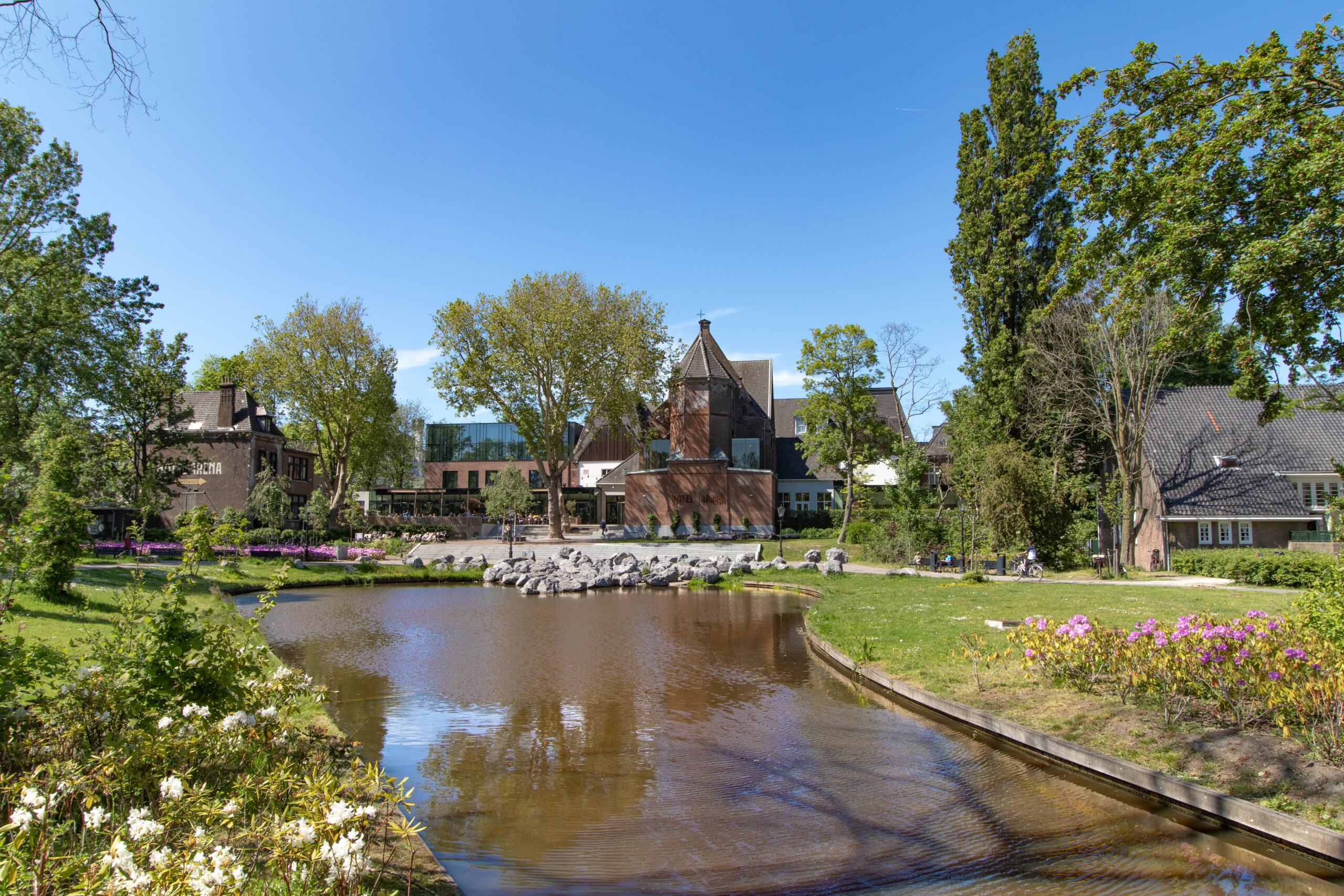
I was asked by the Municipality of Amsterdam to reorganize and privatize the former “Sleep-In.” This eventually led to me taking it over, first operating it in 1992. At the time, I named it Arena – an international center for youth culture and tourism: an Amsterdam budget hotel with a pop music venue. Gradually, we grew from a minus four rating into a four-star hotel. The name issue with the Arena stadium eventually led to the opportunity to purchase the building. This is therefore a very important place for me.
The very first time I visited Oosterpark was with the Alderman to look at the building. That was when I saw the possibilities of this park. It was designed by the garden and landscape architect Leonard Springer. In 1890, he won the design competition for the park. It is a park in the English landscape style, inspired by nature, with rolling lawns and winding paths.
I am very proud to have made a significant contribution to the project “de verdubbeling van het Oosterpark" which led to all the buildings such as KIT, Pillows, and Metis being located within the park.
Next to Hotel Arena, there was once a cemetery, on the site where Metis and Pillows now stand.
The walls, like those along ’s-Gravesandestraat, completely enclosed the building. At the time, the Singelgracht marked the city’s boundary, so this building was originally located outside the city, just like the Heineken Brewery and, for example, the Concertgebouw.
Of course, the terrace of Hotel Arena is the most beautiful place in Oosterpark 😊.
But also 'De Schreeuw' by Jeroen Henneman, created in response to the murder of Theo van Gogh, the most terrible moment I can remember in the Oosterpark neighborhood.
I view Oosterpark as a true meeting place, especially because of the diversity in Oost. It can be an example for all of the Netherlands of how we can learn from one another’s cultures and take joy in them.
I have participated in many activities in Oosterpark, such as Keti Koti, the 4th and 5th of May commemorations, the neighborhood camping, the picnic concerts, and the circus. I would recommend it to everyone: enjoy the nature, the culture (the artworks in the park), and the people—the encounters and connections that arise from them.
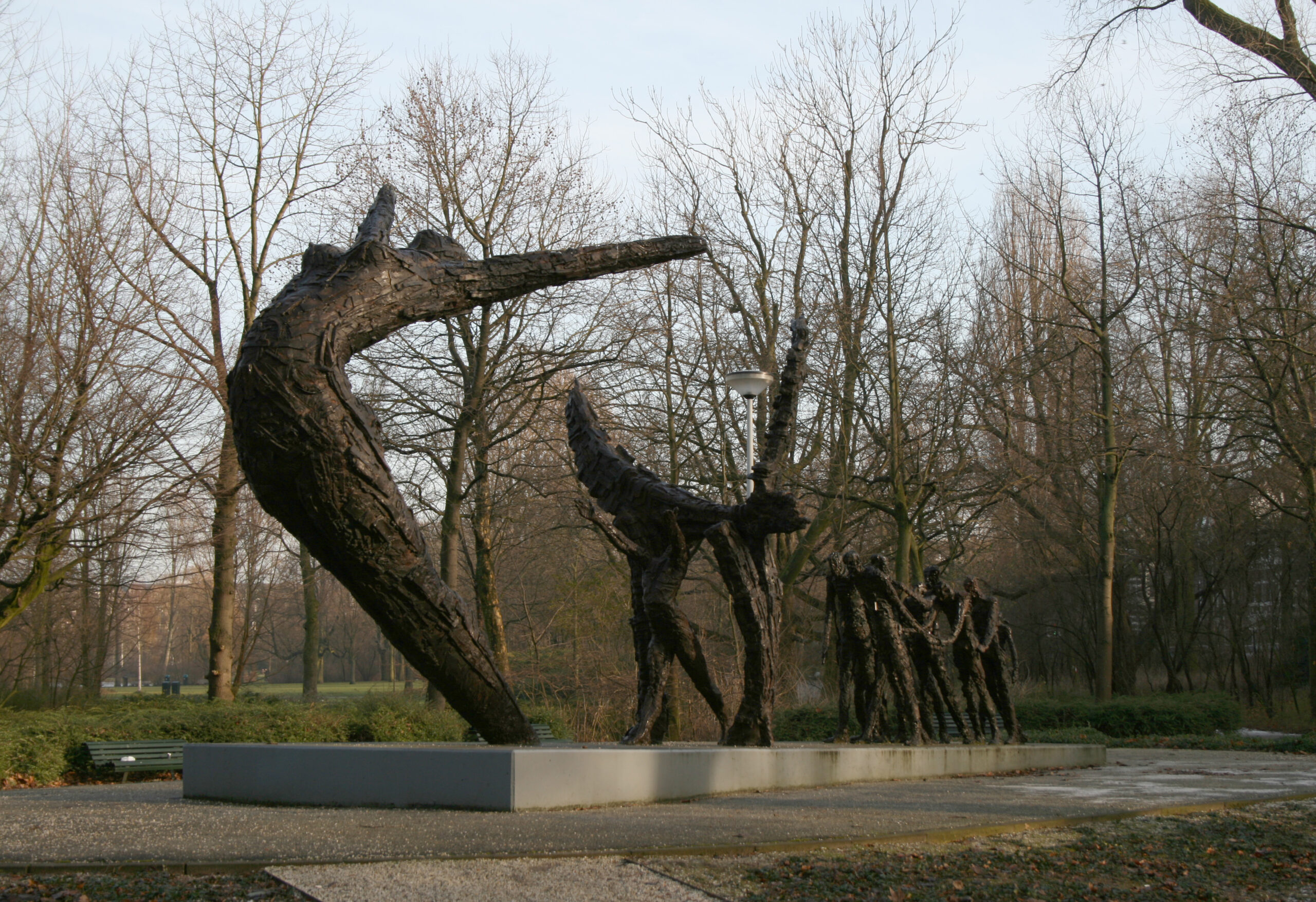
The Slavery Monument is an important place in Oosterpark; it is an essential part of our national history. The monument has recently been restored to its former glory, the surrounding area has been renovated, and it is now much more pleasant to spend time there. A new entrance to the park has also been created near the Slavery Monument, which is a significant improvement.
My dream is to one day realize “De Tafel Van Oost” in the park, where people can meet each other in a positive way, serving as a counterbalance to the current polarization in society.
Amsterdam, June 11, 2025