Jan-Bert Vroege, as the daily director of Amsterdam’s East District, is responsible for the parks. He sees Oosterpark as one of the gems of Oost.
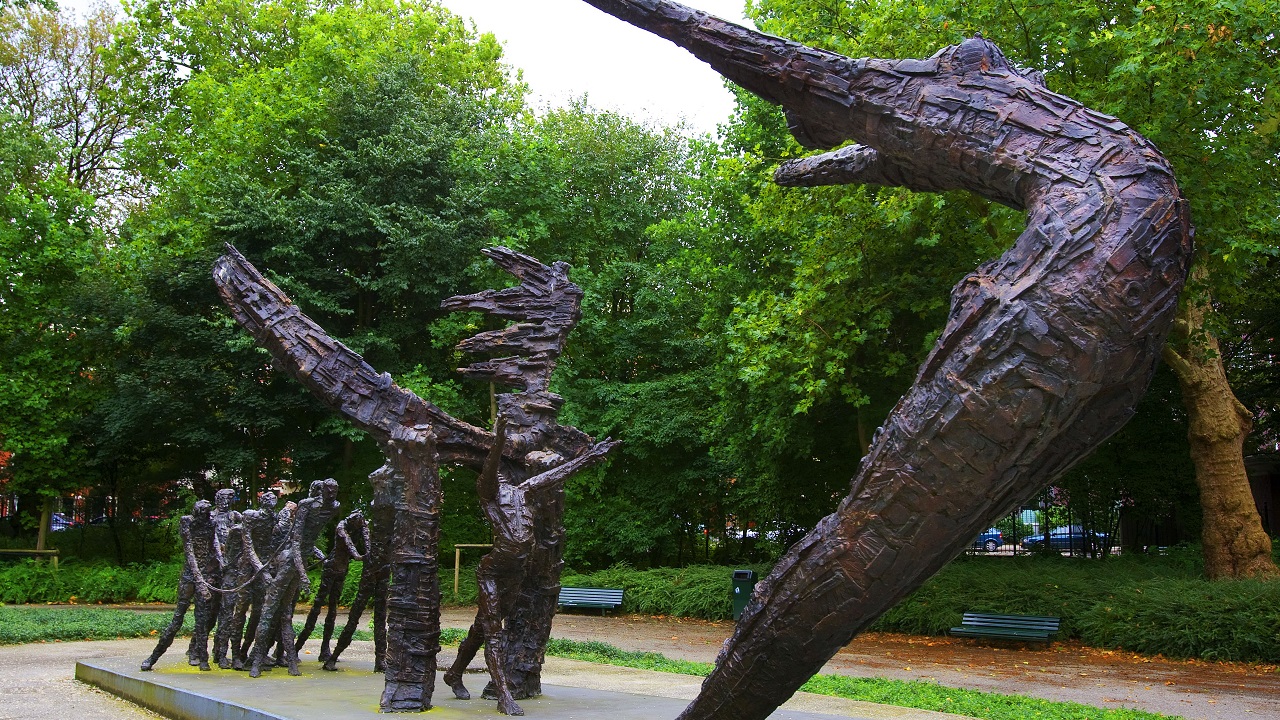
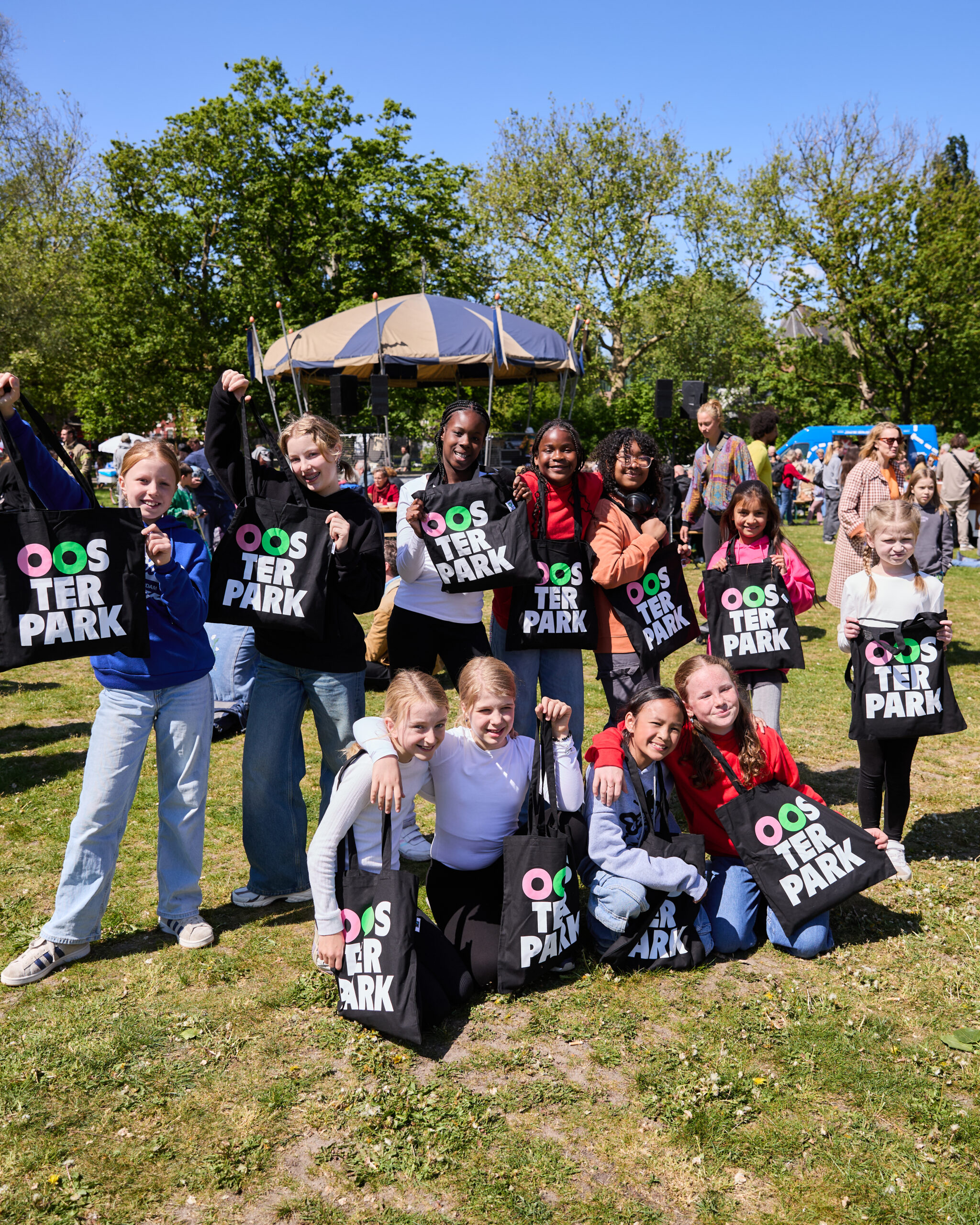
I enjoy visiting all the parks in our district, but if I’m honest, Oosterpark holds a special place in my heart. Not only because I live in the Oosterpark neighborhood, but above all because of its rich history, its diversity, and the living-room role it plays for the surrounding communities. Originally, Oosterpark was a cemetery, which means it is literally built on the history of the people who once lived here. Like the other parks in Oost, Oosterpark offers peace and the chance to enjoy nature. What makes it truly special for me, however, is the unique collection of artworks scattered throughout the park like hidden gems. In addition, the park hosts a wide range of events and cultural gatherings, keeping it vibrant and dynamic. This inspires visitors and allows you to immerse yourself in the diversity of people, their backgrounds, and their interests. In this park, the variety and freedom that I love about Amsterdam come alive. In short, Oosterpark is a unique mix of culture, history, and diversity.
One artwork I find particularly remarkable is the Monument for the Tachtigers, created by Jan Wolkers. It is inspired by a poem written for a poet within the Tachtigers movement, to whom the artwork pays tribute. The Tachtigers were influential writers and artists who shaped Dutch art and literature in the 19the century renewed. They challenged the established norms of their time—a sentiment I deeply relate to. Too often, we cling to order and rules, while I believe that reality cannot be contained within strict boundaries. This artwork inspires me to think critically about which rules work and which do not, including here in Oost. As a district administrator, I try to understand the reasoning behind the rules and to think outside the box, in order to assess whether something could be a valuable addition to Oost and our parks.