On July 1, 2025 Oosterpark was once again dedicated to remembrance, reflection, and community. The annual National Commemoration of the History of Slavery, by the Nationaal Monument Slavernijverledenbrought together a wide range of people: descendants of enslaved individuals, social organizations, government representatives, and many engaged residents of Amsterdam.
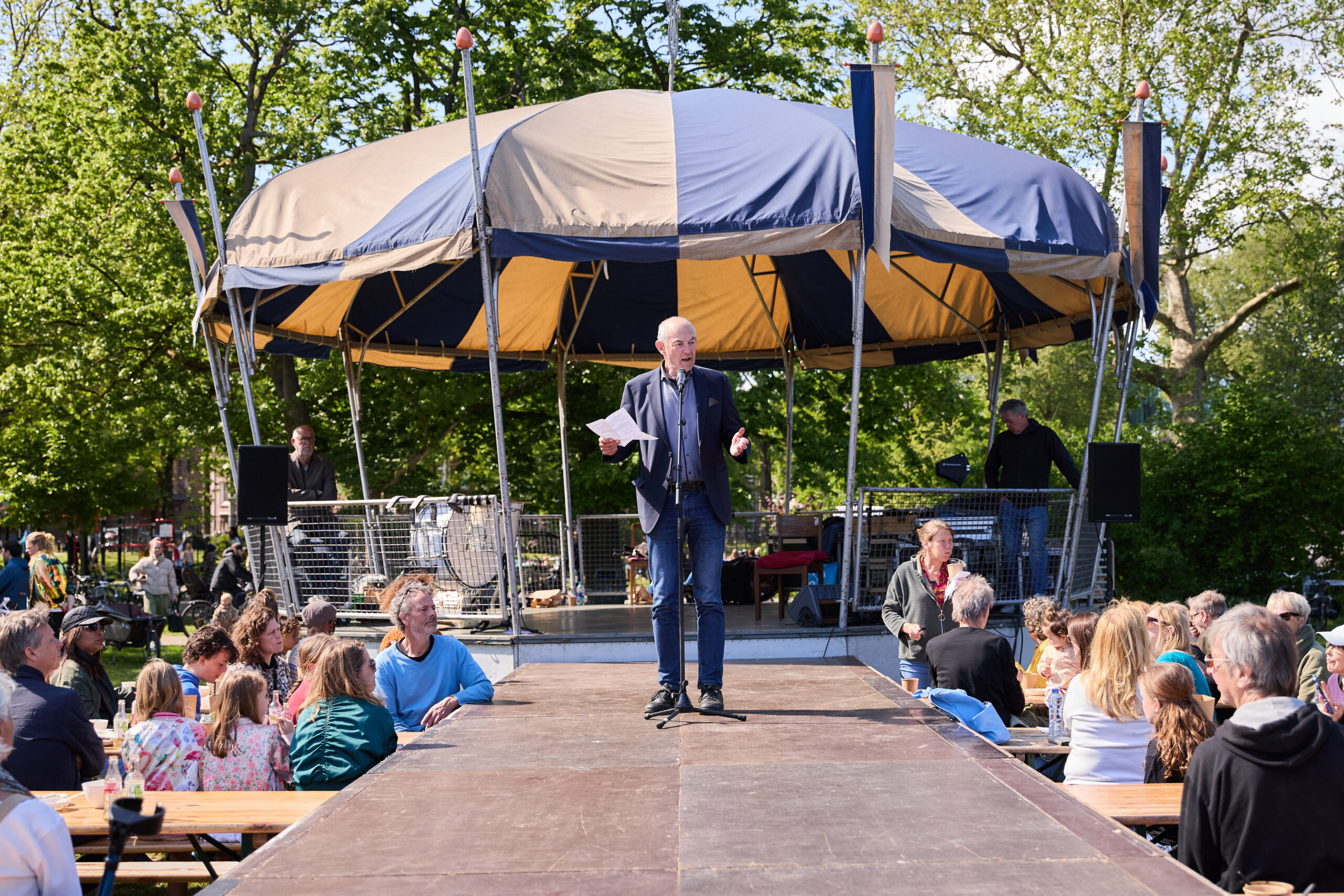
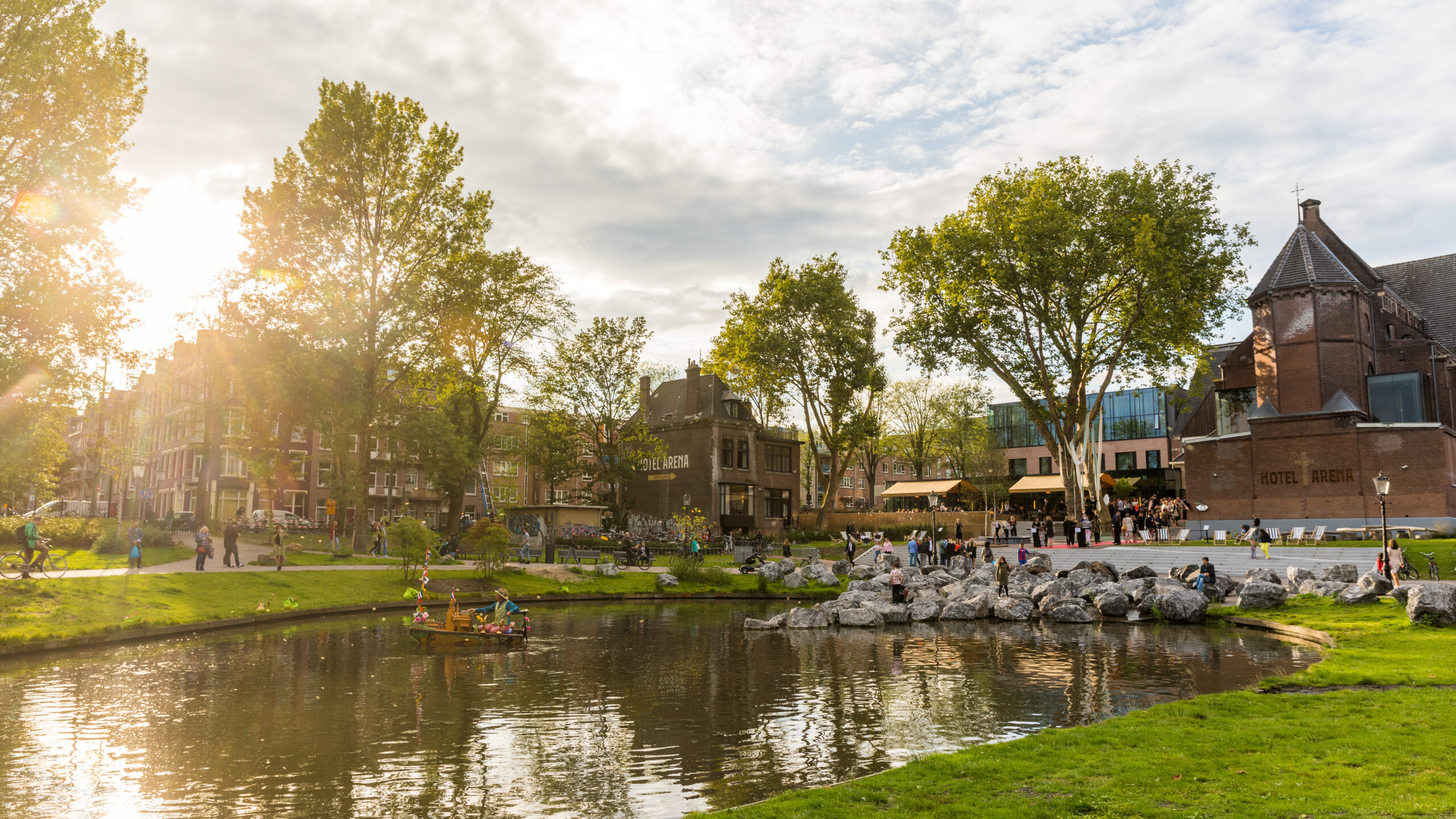
Under a blazing sun and in tropical heat, hundreds of people gathered in the park. Despite the warmth, the atmosphere remained dignified and focused. The ceremony began with ritual elements such as the traditional libation, followed by wreath-laying and a moment of silence. During that silence, only the sounds of the park could be heard—the birds, the rustling trees—and the shared pain, dignity, and pride of those present.
A renewed monument, a lasting message
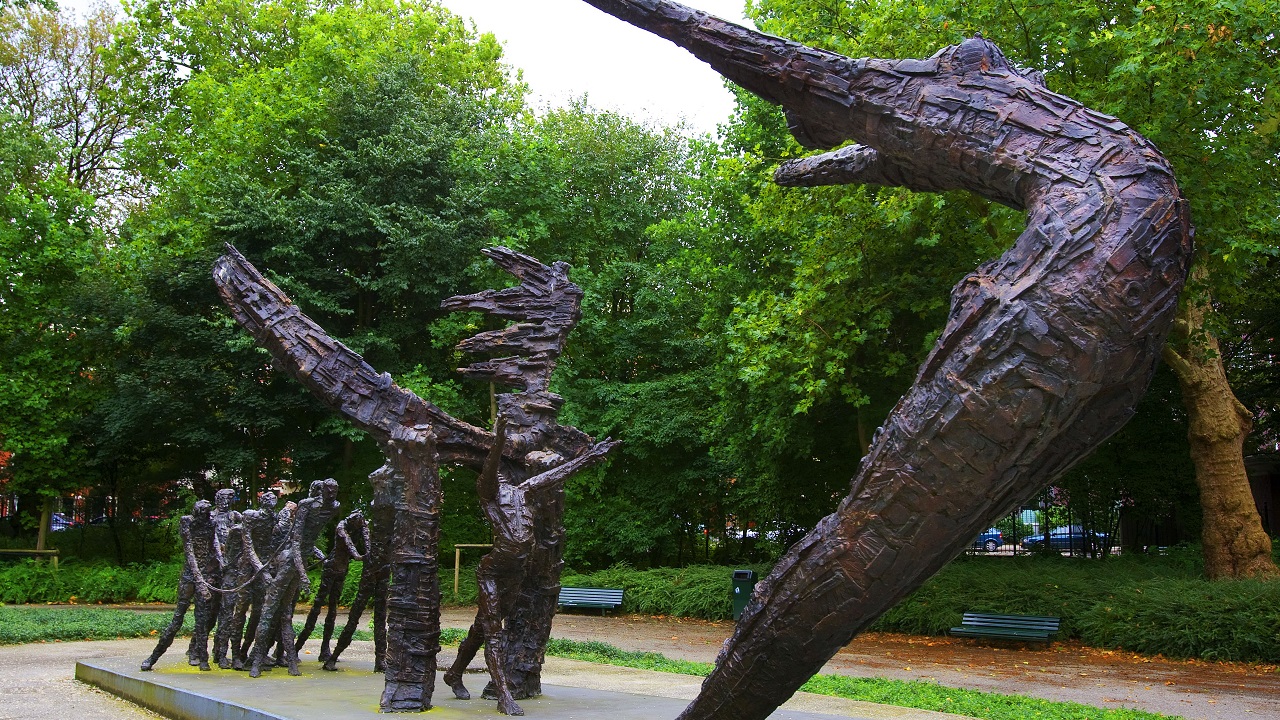
The National Monument of the History of Slavery was unveiled again this year following a careful renovation. The updates—including improved accessibility, an adapted surrounding area, and a new entrance near Bar Bukowski – enhance the symbolism and function of the monument as a place of remembrance and reflection. The new design blends harmoniously with the natural tranquility of Oosterpark and makes the monument more accessible to everyone who wishes to reflect on the past.
Femke Halsema: “We walk the path to recovery together.”
One of the most moving moments of the commemoration was the speech by Mayor Femke HalsemaIn clear terms, she addressed the continuing impact of the history of slavery in the present:
“Sadly, history does not follow a straight path. Sadly, feelings of white superiority still exist in our society, and racism remains present in our institutions.”
Her words formed a powerful call for shared responsibility, for honestly confronting the past, and for working together toward recovery:
“The impact of this past does not affect us all equally, but the work of recovery, the work toward a shared future, is a collective responsibility. We travel the path to recovery together.”
With these words, she connected the historical past with contemporary responsibility and future change.
A dignified and widely supported commemoration
This year, the commemoration once again served as an example of shared respect, collective remembrance, and growing historical awareness. The presence of young and old, families, students, and representatives from cultural organizations demonstrated that the significance of this day is widely embraced.
With the renovated monument as its tangible core, Oosterpark is now more than ever a place where the past and the future meet.
For more information, visit the website: https://ketikotiamsterdam.nl/1-juli-herdenking/